
Multiple Tooth Dental Implants in Los Angeles
Replace two or more missing teeth with implants — a longer-lasting, healthier alternative to traditional dental bridges.
Implant-Supported Bridge
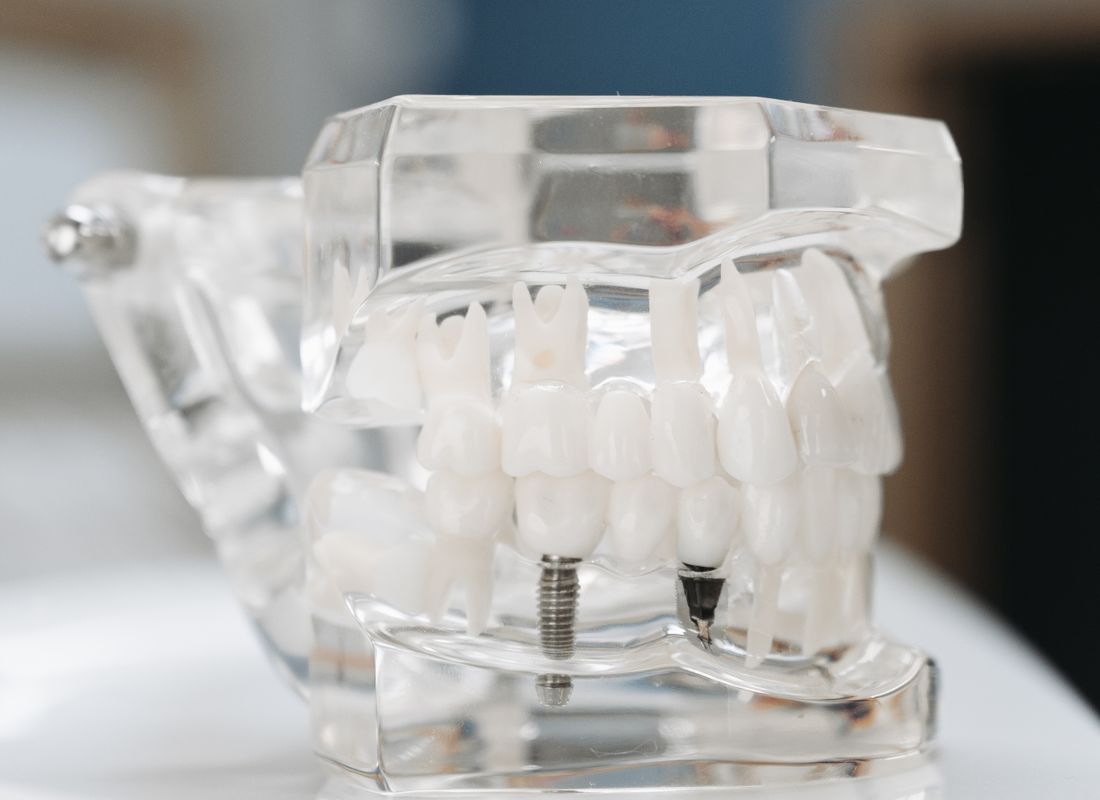
When two or more adjacent teeth are missing, an implant-supported bridge offers a superior alternative to a traditional bridge. Rather than resting on ground-down natural teeth, an implant bridge is anchored by implants placed at each end of the gap. A custom bridge spans the space, supported entirely by the implants.
The result: neighboring healthy teeth are preserved, bone loss is prevented at each implant site, and the restoration looks and functions like natural teeth.
The Treatment Process
Restoring several teeth with an implant-supported bridge is a straightforward, staged process. Here is what to expect.
Consultation & 3D Planning
Dr. Nam evaluates the gap and takes a CBCT scan to map bone and plan the ideal position for the implants that will anchor your bridge.
Implant Placement
Two or more titanium implants are placed at each end of the gap under local anesthesia — no need to touch your remaining healthy teeth.
Healing & Osseointegration
Over 3–6 months the implants integrate with your jawbone, forming a rock-solid foundation. A temporary bridge keeps you smiling in the meantime.
Your Custom Bridge
Dr. Nam secures a natural-looking permanent bridge onto the implants — restoring full biting strength and a seamless, complete smile.
Benefits of Implant-Supported Bridges
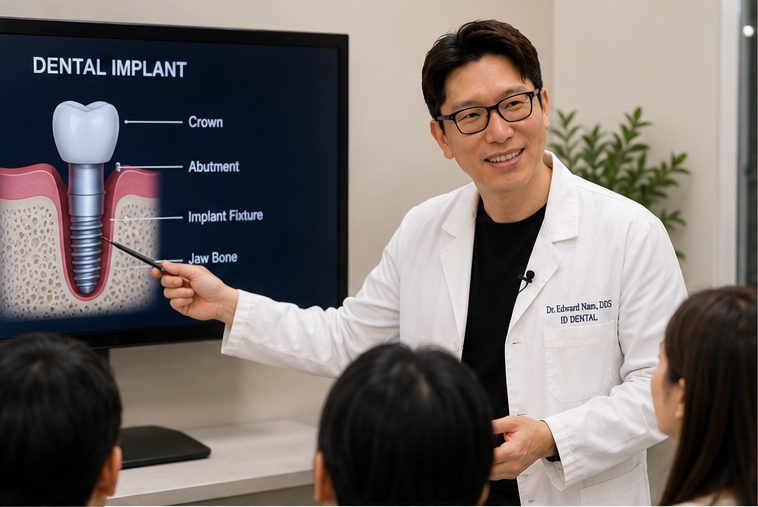
A conventional bridge relies on grinding down healthy neighboring teeth and leaves the bone under the missing teeth unsupported, so it slowly resorbs. An implant-supported bridge sidesteps both problems by anchoring directly into the jaw.
Because the implants replace the missing roots, they preserve bone, keep your remaining teeth untouched, and restore near-natural chewing power. The result is a fixed, comfortable restoration that Dr. Nam designs to blend seamlessly with your smile.
Dental Bridges vs. Dental Implants
Both replace missing teeth, but they differ in how they protect your remaining teeth, your jawbone, and your long-term investment. Here is how they compare.
Dental Implants
Long-term investment
Traditional Dental Bridge
Lower upfront cost
Am I a candidate?Most patients with healthy gums, adequate jawbone, and good general health are candidates for implants — and some bone loss can often still be treated. Dr. Nam confirms the best option for you with a CBCT 3D scan and exam.
Frequently Asked Questions
Which is better, a dental bridge or a dental implant?
For most patients with two or more missing teeth, implants offer greater long-term value. A traditional bridge requires grinding down the healthy teeth on each side of the gap and does nothing to prevent the bone loss underneath the missing teeth. An implant-supported bridge leaves adjacent teeth untouched, preserves the jawbone, and typically lasts far longer. Dr. Nam reviews your specific case to recommend the right option for you.
How much does a multiple-tooth implant or bridge cost in Los Angeles?
The cost is not fixed and depends on factors such as the number of teeth being replaced, your bone condition, whether any additional procedures are needed, and the final restoration selected. A consultation and examination are required for an accurate treatment estimate. We verify your insurance benefits and work with CareCredit for flexible financing.
How long do implant-supported bridges last?
With good oral hygiene and regular check-ups, an implant-supported bridge can last 25+ years, and the titanium implant posts are designed to be permanent. A traditional tooth-supported bridge, by comparison, typically needs to be replaced every 10–15 years.
Am I a candidate for multiple tooth implants?
Good candidates have adequate jawbone to support the implants and are in good general health. Conditions such as some bone loss can often still be treated, sometimes with grafting. Dr. Nam uses a CBCT 3D scan to evaluate your bone and confirm whether implants are right for you.
Missing multiple teeth? We have options that preserve your healthy teeth.
Book Free Consult