
Endodontics & Root Canal Treatment
Save your natural tooth. Gentle, effective root canal therapy and endodontic surgery from Dr. Edward Nam, a trusted Koreatown endodontist serving Los Angeles.
Root Canal Therapy
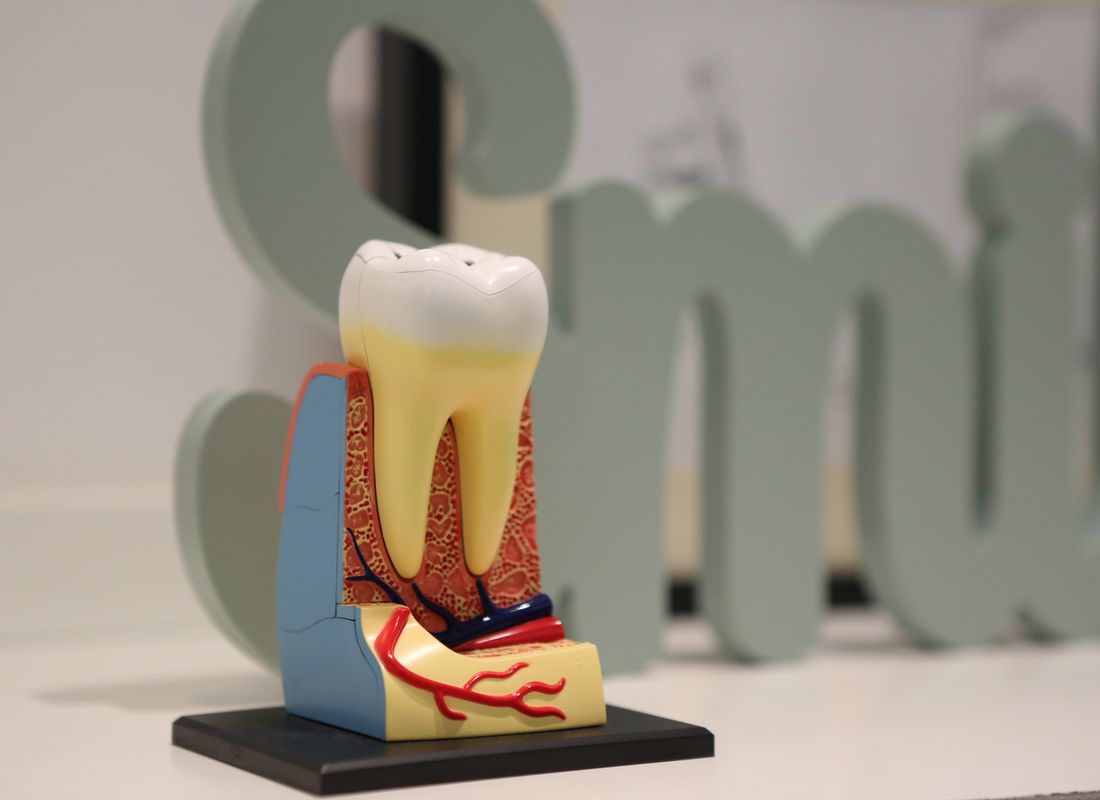
A root canal is performed when the inner pulp of a tooth becomes infected or inflamed — often due to deep decay, a crack, or trauma. The procedure removes the infected tissue, cleans and shapes the canal, and seals the tooth to prevent re-infection. Despite its reputation, modern root canals are no more uncomfortable than a filling.
Root canal therapy saves your natural tooth — which is always preferable to extraction. After treatment, the tooth is protected with a crown to restore full strength and function.
Endodontic Surgery (Apicoectomy)
In some cases, a standard root canal is not sufficient — particularly when an infection persists after prior treatment, or when the canal anatomy is too complex to treat conventionally. An apicoectomy is a minor surgical procedure that removes the tip of the tooth root and the surrounding infected tissue.
Endodontic surgery is a last resort before extraction — giving patients another opportunity to save a tooth that has already had root canal treatment.
Signs You May Need a Root Canal
An infected or inflamed tooth pulp rarely heals on its own. Catching it early lets Dr. Nam save the tooth before the infection spreads. Watch for these common signs — and call us promptly if any of them sound familiar.
Persistent tooth pain
Deep, throbbing pain that lingers or returns — especially when chewing or applying pressure.
Sensitivity to hot and cold
Sharp pain that lingers long after eating or drinking something hot or cold, rather than fading quickly.
Swelling or a gum pimple
Tenderness or swelling in the gums near the tooth, sometimes with a small pimple-like bump that may drain.
Darkening of the tooth
A tooth that turns gray or discolored can signal that the inner pulp is dying or already infected.
Deep decay or a cracked tooth
Large cavities, a lost filling, or a crack can expose the pulp to bacteria and lead to infection.
The Root Canal Process
With today's techniques and anesthesia, a root canal is no more uncomfortable than having a filling placed. Here is exactly what to expect from start to finish.
Diagnosis & Imaging
Dr. Nam examines the tooth and takes X-rays to pinpoint the infection and map the canal anatomy before treatment begins.
Cleaning the Canal
The tooth is fully numbed with local anesthesia. The infected pulp is gently removed and the canal is disinfected and shaped.
Filling & Sealing
The cleaned canal is filled with a biocompatible material and sealed to prevent bacteria from re-entering the tooth.
Crown Protection
A custom crown is placed over the treated tooth to restore full strength and function for many years to come.

Recovery & What to Expect
Most root canals are completed in one to two visits, with each appointment usually lasting about 60 to 90 minutes depending on the tooth. An apicoectomy is a short in-office surgical procedure performed under local anesthesia. Because the area is fully numbed, the treatment itself is comfortable and similar to having a filling placed.
Afterward, it is normal to feel mild soreness or tenderness around the treated tooth for a few days, which is easily managed with over-the-counter pain relievers. Most patients resume work and normal activities the very next day. Following the simple post-treatment instructions Dr. Nam provides helps the tooth heal well and protects your long-term result.
Frequently Asked Questions
Do root canals hurt?
Modern root canal treatment is no more uncomfortable than having a filling placed. The tooth and surrounding area are fully numbed with local anesthesia, so most patients feel little to nothing during the procedure. In fact, a root canal relieves the severe pain caused by an infected or inflamed pulp, so many patients feel better afterward than before.
How long does a root canal take?
Most root canals are completed in one to two visits, with each appointment typically lasting about 60 to 90 minutes depending on the tooth and the complexity of the canal anatomy. Molars have more canals and may take longer than front teeth. Dr. Nam reviews the expected timeline with you after examining the tooth and imaging.
What is recovery like after a root canal or apicoectomy?
Recovery is usually quick and straightforward. It is normal to experience mild soreness or tenderness for a few days, which is easily managed with over-the-counter pain relievers. Most patients return to work and normal activities the next day. After an apicoectomy, minor swelling near the treated area is common for a day or two. Following any post-treatment instructions helps the tooth heal well.
Can a treated tooth get reinfected?
A properly treated and sealed tooth can last many years, and placing a crown afterward helps protect it and lower the risk of reinfection. In some cases, however, an infection can return — for example if the tooth cracks, develops new decay, or has complex canal anatomy. When that happens, retreatment or endodontic surgery such as an apicoectomy can often save the tooth before extraction becomes necessary.
What are the alternatives to a root canal?
When the inner pulp is infected or inflamed, the main alternative to a root canal is extraction of the tooth. Preserving your natural tooth is almost always preferable, since it maintains normal chewing, spacing, and jawbone structure. If a tooth must be removed, we can discuss replacement options such as a dental implant or bridge during your consultation.
How much does a root canal cost?
The cost of endodontic treatment is not fixed and depends on factors such as which tooth is affected, the number of canals, and whether additional procedures like a crown or apicoectomy are needed. A consultation and examination are required for an accurate estimate. We verify your insurance benefits and work with CareCredit for flexible financing options.
Tooth pain? Don't wait.
Early treatment saves teeth. Call or book online today.